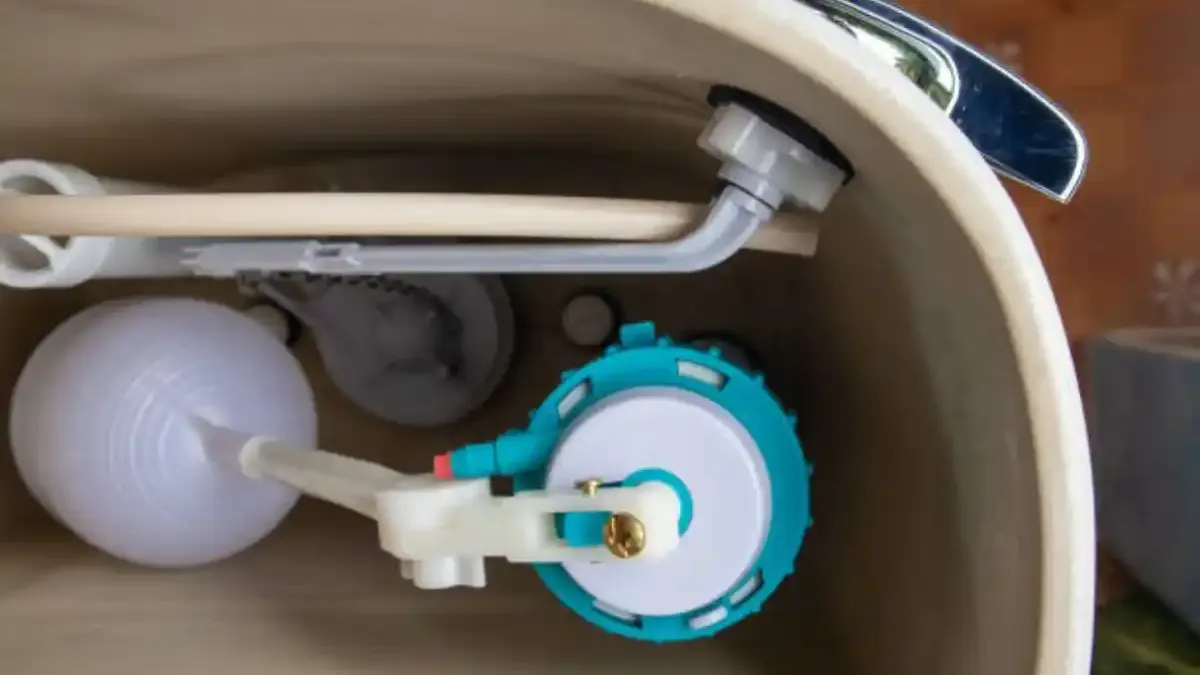
If the toilet is overflowing right now
- Reach behind the toilet and turn the supply valve clockwise.
- If the bowl is rising, lift the tank lid and press the flapper closed.
- Lay towels around the base.
- Do not flush again until the cause is found.
- Call the 24/7 line if water will not stop or if it is coming from the base.
If the supply valve is stuck, shut off the main water valve for the house. Then call the line and describe what is happening.
Why a toilet clogs and what a plumber can do
Most clogs sit within the toilet's trap. A plunger with a flange cup will often clear them. A closet auger reaches further without scratching the porcelain. If both fail, the clog may be in the branch drain or the main line, and the drain cleaning team takes over.
Wipes, toys, excess paper and low-flow toilets with weak flush are common causes. A toilet that clogs every week, or that gurgles other drains, is telling you the line is partially blocked.
The line is staffed around the clock. Describe what is happening and we dispatch a licensed plumber.
Running, weak flush and phantom flush
A toilet that runs after a flush usually has a worn flapper or a fill valve that does not shut off. A weak flush is often a clogged rim jet or a low water level. A phantom flush, where the tank refills by itself, points to a slow leak past the flapper.
| Symptom | Likely cause | Fix |
|---|---|---|
| Runs constantly | Worn flapper or fill valve | Replace the part. |
| Weak flush | Clogged rim jets or low water level | Descale jets, adjust fill. |
| Phantom refill | Flapper leak | Replace flapper. |
| Rocking bowl | Failed wax ring or loose bolts | Reset the toilet. |
| Water at base | Wax ring or tank bolt | Reset or replace gasket. |
Leaks at the base and through the floor
Water at the base of a toilet is never normal. The wax ring may have failed, the flange may be cracked or loose, or a supply connection may be dripping. A slow leak can soak the subfloor, grow mold and eventually appear as a stain on the ceiling below.
A damaged flange is a structural problem. The toilet cannot seal if the flange sits low, cracked or corroded. The plumber can repair or replace the flange and reset the toilet with a new wax ring. If water is also pooling elsewhere, see leak detection for how to find the source.
Replacing or installing a toilet
Replacement makes sense when the porcelain is cracked, the toilet is old and inefficient, or you want a taller bowl. Installation of a new toilet covers a new supply valve, flange check, wax ring or gasket, and testing for leaks and flush performance.
Measure the rough-in, the distance from the wall to the center of the drain, before you buy. Most are 12 inches, but 10 and 14 exist. Tell the dispatcher what you plan to install and whether a toilet is already in place.
Price factors
The quote is explained before work starts. For related fixtures, see faucet and sink repair.
Toilet Repair and Installation questions
Do you handle toilet emergencies at night or on weekends in Carol Stream?
Yes. The 24/7 line is open. Shut off the supply valve and call, and a licensed plumber is dispatched, same day when available.
Why does my toilet keep running?
Usually the flapper or fill valve. Both are quick repairs for a plumber.
Can a leaking toilet damage the floor?
Yes. A slow leak soaks the subfloor and can reach the ceiling below. Fix it promptly.
Is it worth repairing an old toilet?
If the porcelain is sound, repairs are usually cheaper. If it is cracked or inefficient, replacement is better.
What is a toilet flange?
It is the ring on the floor that anchors the toilet and seals the drain. If it is damaged, the toilet cannot seal.
Standards and sources
Plumbing work in Illinois follows the Illinois Plumbing Code, 77 Ill. Adm. Code 890, and plumbers are licensed by the Illinois Department of Public Health under 225 ILCS 320. Local water facts come from the Village of Carol Stream 2025 water quality report and the DuPage Water Commission FAQ. These are the standards and sources we rely on, and anything we could not verify is left out.